Educational genetic wellness · reviewed with your clinician
Your genes are the blueprint. Your life helps decide how that blueprint is used.
Gene Bliss reads your 23andMe or AncestryDNA raw file and returns a warm, plain-language report on the genes women 35–65 ask about most — methylation (MTHFR), COMT, DAO, the CYPs, hormones, vitamin D, iron, blood sugar, and heart.

What we look at
Seven areas we address, one at a time.
Here is exactly what we look at and why it matters — in everyday words, with an "evidence weight" and clear notes about what your genes do not tell you.
Methylation & Folate
Methylation is like your body's on/off switch. It helps turn food into fuel, calm stress signals, and keep DNA tidy.
Why it matters: When it runs slow, people often notice low energy, brain fog, mood dips, or trouble with B-vitamin levels.
Mood & Focus Chemistry
These genes help your brain and gut break down chemicals like dopamine, adrenaline, and histamine.
Why it matters: This is often behind racing thoughts, poor sleep, caffeine jitters, or reacting to wine, cheese and leftovers.
Detox & Antioxidants
Your liver uses these enzymes to break down caffeine, medications, alcohol, and toxins so your body can wash them out.
Why it matters: Slower clearing can mean stronger reactions to alcohol, chemicals, smells, and everyday exposures.
Hormone Metabolism
These genes shape how your body breaks down and clears hormones like estrogen.
Why it matters: Helps explain heavy or rough cycles, PMS, and how the shift into menopause may feel.
Nutrient Needs
Some people absorb or activate certain vitamins a little differently. These genes give clues about what your body may need a bit more of.
Why it matters: Tells you which vitamins are worth testing and which forms your body may use more easily.
Heart & Metabolism
These genes are linked to cholesterol handling, blood sugar balance, and blood-vessel health.
Why it matters: Useful for knowing what to keep an eye on early — cholesterol, blood sugar, and blood pressure numbers.
Medication Response Education
These genes are part of how your body handles many common medications. This is educational only — real prescribing needs a clinical-grade test.
Why it matters: Explains why a standard dose can feel too strong, too weak, or cause side effects for some people.
A promise of privacy.
Your genetic data is yours. We never sell it, never share it with advertisers, and one click permanently deletes everything you have uploaded.
Read the privacy promiseWritten for a real conversation.
Every result is written in plain, everyday language and comes with a few practical questions worth asking. No fear, no jargon, no "genetic health score."
How it worksLatest from the journal

Why look at your genes at all?
You have been guessing at supplements, diets, and doses for years. Your DNA file turns some of that guessing into information you can actually use.
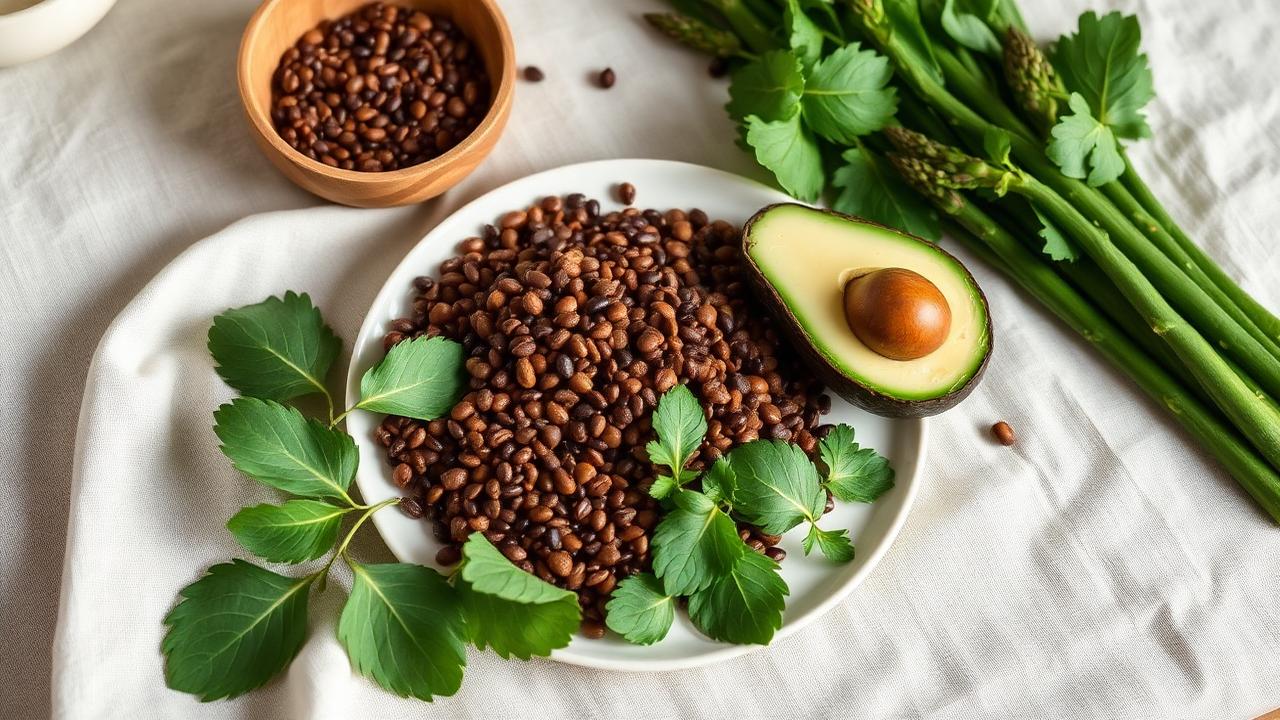
What is MTHFR, in plain English?
One enzyme turns the folate in your food into the active form your brain, hormones, and detox pathways run on. Around 4 in 10 people have a slower version of it.

COMT: why you are a warrior or a worrier
COMT clears dopamine, adrenaline, and used estrogen. A fast version keeps you calm and a little flat. A slow version makes you sharp — until the day gets loud.
"Genetics is one part of your health — not the whole story. Sleep, food, movement, sunlight, connection, and stress all decide how your genes are expressed today."
Gene Bliss does not diagnose, treat, cure, or prevent any disease. It is educational only, and works best when reviewed with a qualified clinician.